Bulletin · News 61
A child in rural northern New York has died from measles, marking the first death from the viral disease in the state for 30 years, state officials announced on Monday. Gov. Kathy Hochul confirmed the death happened in Lewis County, situated approximately 93 miles (150 kilometres) north of Syracuse.
Hochul, a Democrat, stated the child’s death is "a devastating reminder of what’s at stake when Washington deliberately erodes decades of progress in protecting Americans from preventable illnesses." The U.S. halted domestic transmission of measles in 2000 by maintaining high vaccination rates, but coverage has dropped in recent years below the 95% threshold required to prevent outbreaks. The Centers for Disease Control and Prevention has confirmed three measles-associated deaths in the U.S. this year, though state health departments report higher figures. Health officials in Pennsylvania have reported five deaths this year and are investigating a potential sixth.
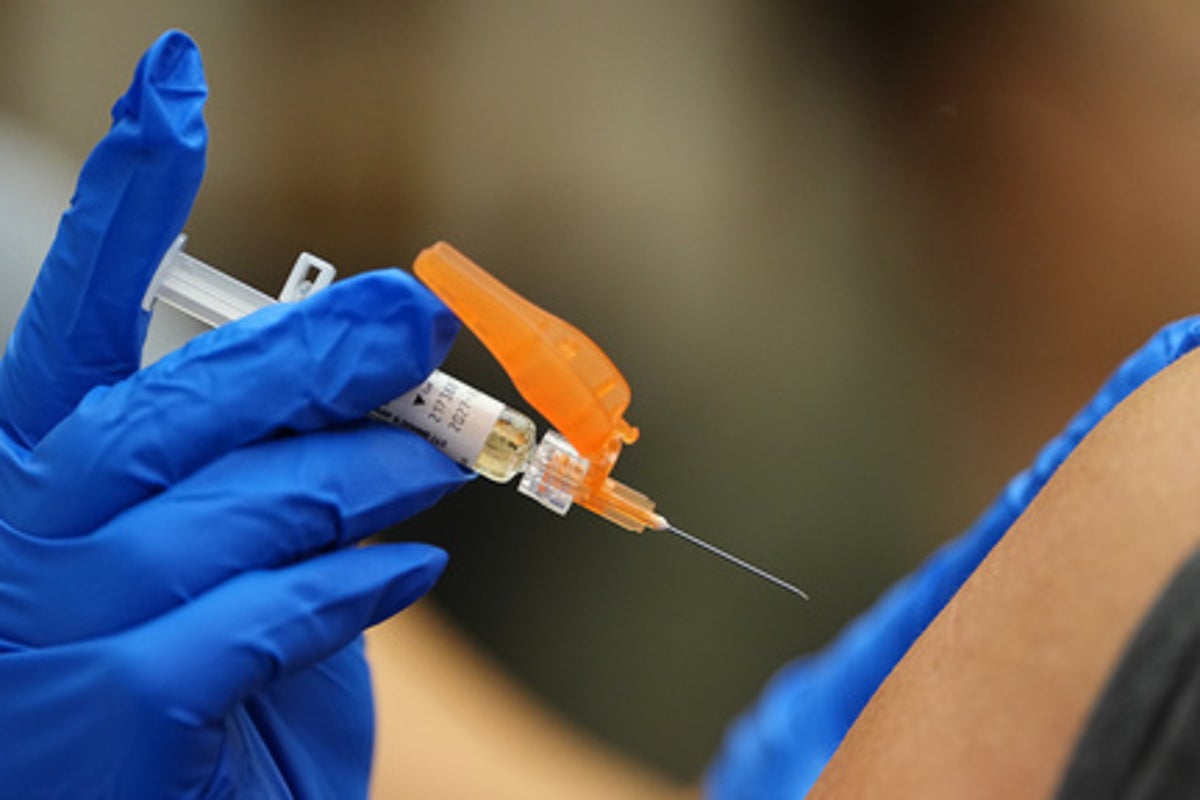
Hochul declared a disaster emergency in early October following cases in neighbouring states and rural New York. The executive order broadened the group of people permitted to administer vaccines to include paramedics, midwives and others, while allowing nurses to join doctors in ordering testing. Measles, mumps and rubella virus vaccine at Union Community Care clinic in Lancaster, Pa., on Thursday, Oct. 8, 2026. (AP Photo/Jessie Wardarski) (ASSOCIATED PRESS) Given that measles is often mistaken for other common illnesses, Dr Henrik Premasundaram, a GP at HCA Healthcare UK, has provided crucial advice on identifying its early, subtle symptoms and knowing when to seek urgent medical attention for worried families.
Here are the early subtle measles symptoms parents should look out for. 1. Cold-like symptoms “In the early phase, so usually between day one to day four, children with measles tend to have cold-like symptoms such as a cough, fever, runny nose and sore, red, watery eyes,” says Premasundaram. “Colds are very, very common at this time of year, but children with measles tend to look more unwell, more tired and more miserable than they would with a typical viral infection.” 2.
Sensitive to light “ Children who get sore, watery eyes tend to be more sensitive to light, which you wouldn’t typically expect with a simple cold,” says Premasundaram. 3. High fever “A high fever is a key symptom of measles and tends to keep rising over the first few days,” says Premasundaram. 4. Loss of appetite “A child with measles might have a reduced appetite or a reduced fluid intake,” says Premasundaram. 5.
Rashes “Day four to day five is usually when a rash appears,” says Premasundaram. “A lot of the time it starts on the face and behind the ears then spreads down to the body, the trunk, the arms and to the legs. “The fever often peaks around the time that the rash appears.” The spots of the measles rash are sometimes raised and join together to form blotchy patches, but are not usually itchy, according to the NHS website . 6.
Small white spots inside the mouth “Some children start to develop small white spots inside their mouth before the full body rashes develop,” says Premasundaram. “These white spots are called ‘Koplik’s spots’ and are very specific to measles.” These spots may appear inside the cheeks and on the back of the lips and usually last a few days, according to the NHS website. Is measles contagious?
“Measles is highly contagious and can spread really quickly, from around four days before any rashes have even appeared until four days after,” says Premasundaram. “If you think your child might have measles I would recommend trying to safely isolate as much as possible. If there are other members of the family who are unvaccinated or at high risk they should try to avoid contact as much as reasonably possible.” A generic picture of a mum taking her sick young daughter's temperature (PA) Measles is spread by an infected person’s breathing, coughing or sneezing, so the NHS website recommends opening windows and doors to help reduce the risk, using tissues and binning them immediately, and washing your hands often with soap and warm water.
Can measles lead to any complications? “Measles can lead to problems with breathing, infections and problems with the brain, so it can be very serious,” says Premasundaram. Other problems that can be caused by measles include pneumonia, meningitis, blindness and seizures, according to the NHS website.
When should parents seek medical advice? “If your child starts to feel more unwell, for example, they become more sleepy, more difficult to rouse, experience difficulty breathing, have a persistent wheeze and have a fever that is high and is not improving, that’s when you should really seek medical advice,” recommends Premasundaram. “In addition, any child that’s unvaccinated or has been in contact with a known case, should also definitely seek medical advice.”
Source: The Independent